Full-Scale Wildlife Control to Secure Your Property
Comprehensive wildlife control is essential for safeguarding properties from the dangers posed by typical wildlife intruders. Rodents, masked bandits, and squirrels can cause significant damage and pose health risks. Understanding their behaviors and the possible effects on residential areas is the initial stage in effective management. However, multiple approaches exist to reduce these hazards. Determining the optimal method can make a substantial difference in maintaining a secure and peaceful space. Which strategies should homeowners prioritize to guarantee enduring safety?
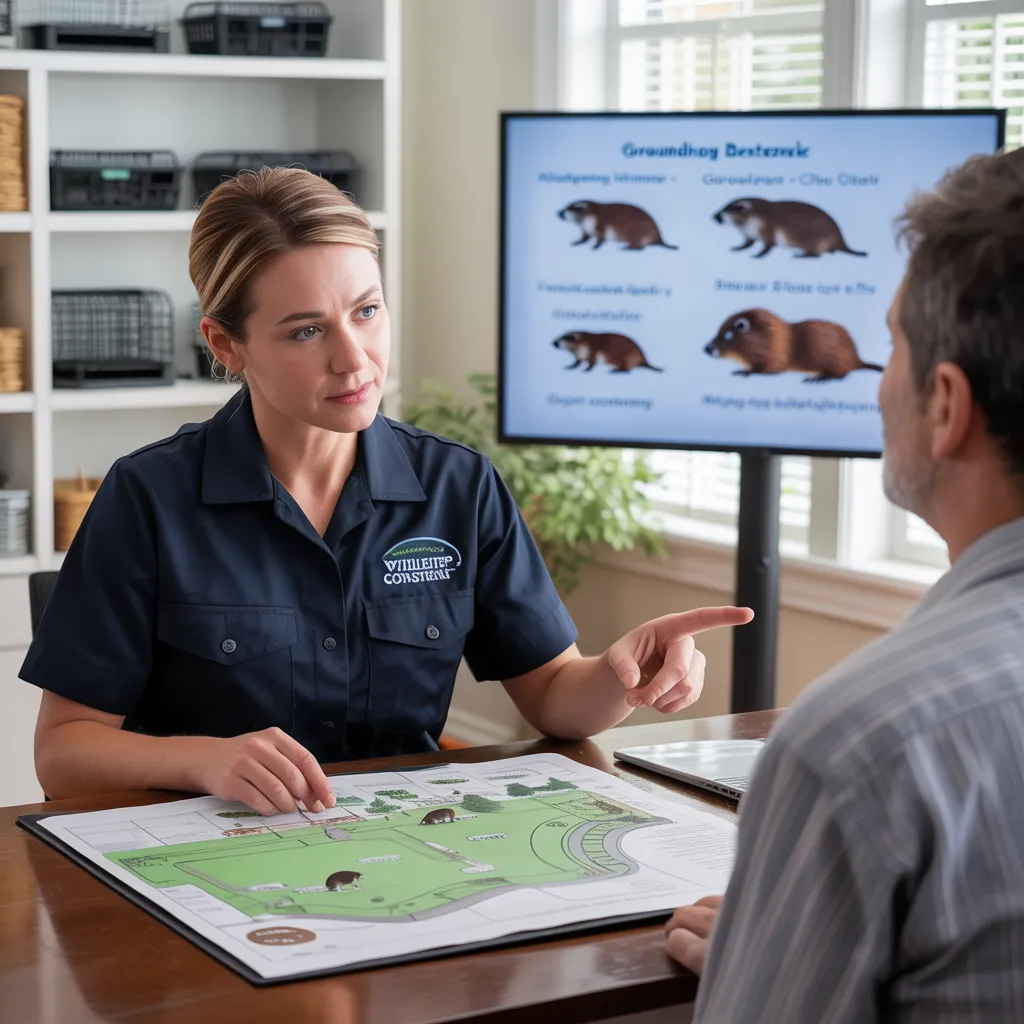
Determining Well-Known Wildlife Pests and Their Associated Risks
Numerous homeowners deal with a variety of wildlife pests that create substantial hazards to property and health. Common invaders include rodents, raccoons, squirrels, and bats. Rodents, such as mice and rats, can compromise insulation and wiring while spreading diseases through their droppings. Raccoons are famous for ransacking garbage and can spread parasites dangerous to people. Squirrels may chew wooden structures and electrical wiring, creating potential fire hazards. Bats, while advantageous for insect control, can pose health risks through their droppings, which may contain histoplasmosis spores. Each of these pests not only threatens the physical integrity of a home but also the well-being of its occupants. Identifying the signs of infestations, such as droppings, gnaw marks, and nests, is crucial for homeowners. Early identification enables for quick action, minimizing the dangers linked to these common wildlife pests.
Grasping the Effects of Animal Removal on Your Property
Effective wildlife control measures directly affect the safety and integrity of a property. When wildlife is managed appropriately, property owners can mitigate potential damage caused by unwanted animals, such as building damage and contamination of food sources. A proactive strategy to animal control not only safeguards physical assets but also strengthens the overall health of the environment surrounding the property.
Furthermore, efficient management decreases the threat of pathogen transmission, safeguarding both residents and pets. Wildlife can carry various pathogens that create threats to human health; therefore, managing these animal populations is critical for preserving a secure living space. Furthermore, successful wildlife management fosters a sense of safety, allowing property operators to participate in outdoor pursuits without fear of encounters with pests. In the end, understanding the impact of wildlife control is vital for ensuring that a property stays a safe, well-maintained, and welcoming setting for its residents.
Reliable Solutions for Keeping Out Wildlife Infestations
Adopting proactive measures is vital for warding off animal intrusions. Property owners can markedly lower the exposure by maintaining cleanliness and securing food items. This comprises proper waste disposal and storing pet food indoors. Additionally, sealing entry points, such as gaps in foundations, vents, and chimneys, can deter animals from breaching buildings.
Landscaping functions as an important element; pruning trees and shrubs away from structures decreases potential nesting sites. Installing fences around gardens can further protect against herbivorous wildlife.
Regular inspections of the property help detect signs of potential infestations early, allowing for timely interventions. Utilizing motion-activated lights or noise deterrents can also prevent wildlife from approaching.
Humane Wildlife Control Methods to Consider Next
Adopting humane wildlife control approaches establishes a balance between safeguarding homes and honoring animal welfare. These strategies emphasize safe methods to address animal encounters effectively. One standard approach is the use of capture devices, allowing for the secure capture and movement of animals without injury. Additionally, exclusion strategies, such as sealing entry points and removing attractants, can prevent wildlife from entering homes.
Habitat modification is another humane method, entailing the modification of environments to make them less inviting to unwelcome animals. For instance, maintaining clean yards and storing trash in locked containers can significantly reduce animal encounters.
Additionally, adopting natural repellents, such as predator scents or pungent materials, can persuade wildlife to avoid premises. These solutions not only defend property but also champion coexistence with local wildlife, creating a balanced relationship between humans and nature.
When do you require to reach out to wildlife removal specialists?
Figuring out the right time to call wildlife control experts often depends on identifying signs of invasion and assessing property damage. Homeowners should stay alert for unusual animal behavior or tangible signs of wildlife presence. Quick response can stop further harm and guarantee humane and safe extraction of any intruding animals.
Symptoms Of Infestation
Spotting the cues of a wildlife pest problem is important for quick intervention. Residents should be cautious for assorted indicators that may indicate the presence of unwanted animals. Common signs involve droppings, which can vary in size and shape depending on the species, and unusual calls, notably during the night. In addition, damage or scratches on walls and surfaces may indicate animal activity, while holes or nests encountered around the property can further confirm an infestation. Missing food stock, damaged wires, or compromised insulation may also indicate wildlife intrusion. If these signs are spotted, it is vital to get in touch with wildlife control professionals to copyrightine the situation and put into action effective answers before the issue becomes worse.
Property Loss Analysis
For homeowners dealing with possible wildlife infestations, evaluating property damage caused by wildlife is necessary. Damage signs may comprise damaged wiring, wood that has been gnawed, and torn insulation, often indicating rodents or other animals are present. It is also important to inspect for droppings, nesting materials, and damaged structural elements, which might lead complete information to expensive repairs if ignored. In addition, water damage from animal entry points can compromise the integrity of the property. When damage is extensive or the infestation origin is uncertain, calling wildlife control professionals becomes critical. These specialists can assess the site, implement successful removal plans, and prevent future problems, ensuring the property remains safe and intact.
Tips for Holding Wildlife Away Permanently
Keeping animals at bay demands a comprehensive strategy that merges protective measures, habitat modification, and consistent maintenance. Strong prevention begins by safeguarding food sources; homeowners should store pet food, birdseed, and garbage in sealed containers. Cutting off moisture sources, such as clogged gutters or standing water, likewise minimizes wildlife interest.
Habitat alteration is essential. Dense plant growth needs to be cut back, and potential nesting sites, like woodpiles and dense shrubs, must be removed. Adding a fence can discourage larger animals from entering yards, while smaller creatures can be prevented by using barriers.
Ongoing maintenance is imperative for long-term success. Consistent copyrightinations of the property should be carried out to identify new entry points or marks of wildlife activity. Swift corrections and refinements will assure that established barriers remain operative. By continuously executing these tactics, residents can construct an context that inhibits animal intrusion, preserving their homes and landscapes for the years to come.
Suggestions for Coexisting Serenely With Local Fauna
Coexisting harmoniously alongside local wildlife enhances both the environment and community health. To achieve this harmony, people can implement several useful strategies. To begin with, securing trash bins and organic waste piles stops animals from searching for food, reducing unwanted wildlife encounters. In addition, maintaining native plants in gardens fosters a native environment that sustains local species while minimizing non-native vegetation that may disrupt local ecological systems.
Additionally, property owners should avoid using toxic chemical sprays, as these compounds can harm both wildlife and the local habitat. Educating the local residents about indigenous animal conduct promotes understanding and reduces fear. Installing animal-safe enclosures can also help defend plant areas without damaging fauna.
To summarize, joining forces with local conservation groups can grant resources and support for wildlife-friendly practices. By deploying these strategies, communities can savor the benefits of local wildlife while upholding safety and sustainability for all.

Frequently Asked Questions
What exist as the lawful requirements Regarding Wildlife Control in My Area?
Legal regulations regarding wildlife control differ by region and generally require permits, prohibited methods, and designated seasons. Individuals should contact local wildlife agencies for specific guidelines to ensure compliance with regional laws and regulations.
How Much Will Professional Wildlife Control Generally Cost?
Pest control specialists normally price between $200 and $600, reliant on aspects like the type of animal, extent of the occurrence, and services required. Extra fees might be added for return trips or preventive approaches.
Could Wildlife Management Solutions Negatively Impact Beloved Pets or Grazing Animals?
Management methods for wildlife can possibly injure pets or livestock if not properly managed. Some techniques may unintentionally impact unintended wildlife, emphasizing the importance of choosing skilled experts who prioritize safety for all animals involved.
In what way May I Handle if I Encounter Wounded Creatures on My Premises?
In the event you find injured wildlife, watch peacefully from afar, refrain from handling the animal, and call local wildlife rehabilitation services or animal control for professional support to verify the animal receives proper care.
Do seasonal fluctuations in wildlife activity occur that I should know about?
Seasonal fluctuations in wildlife activity often reach their maximum during spring and fall. Animals may be more noticeable looking for food and shelter, while winter brings dormancy or migration. Awareness of these tendencies contributes to in effective wildlife management.